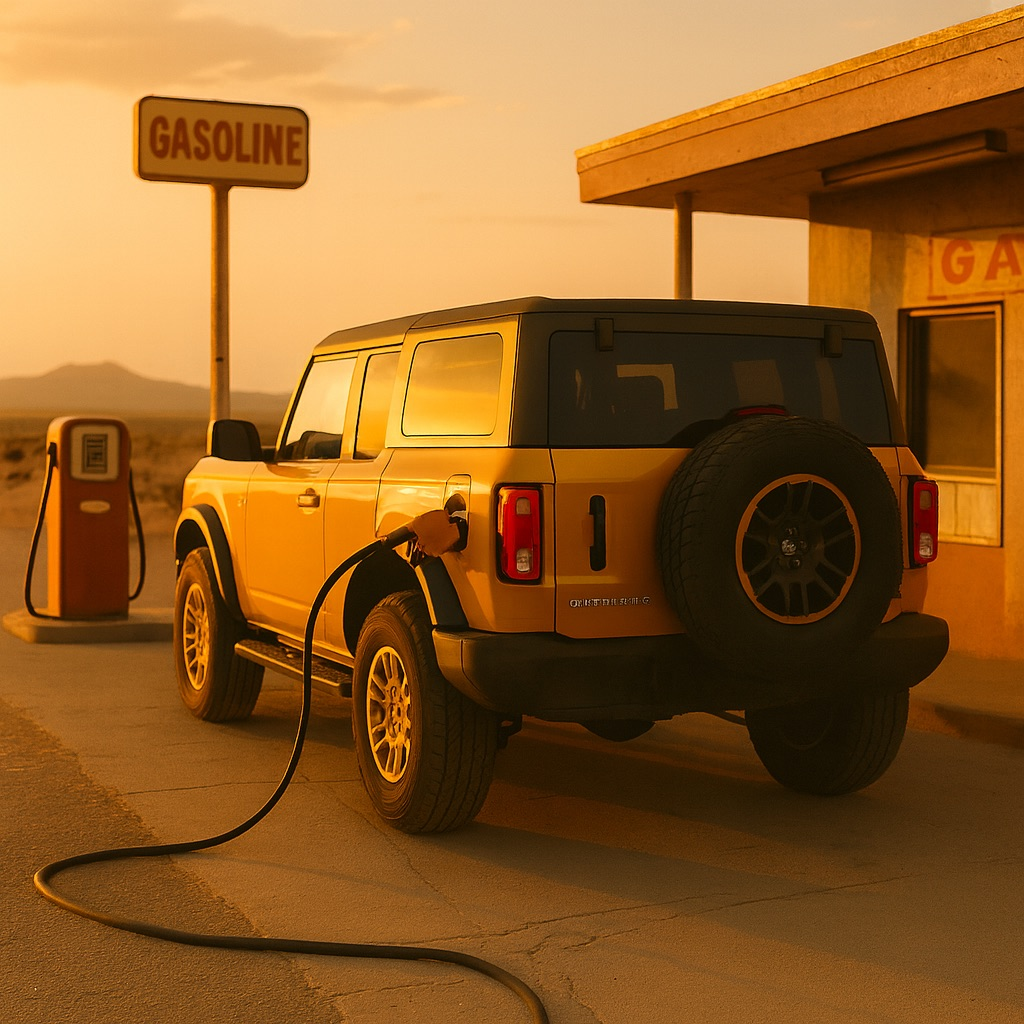
Walk through almost any American city and you’ll notice something strange: without a car, life becomes nearly impossible. Sidewalks vanish, buses come once an hour, trains barely exist, and the nearest grocery store is a mile across a parking lot.
This isn’t an accident. It’s the outcome of a century of deliberate decisions, choices that shaped an entire nation around the automobile and locked generations into a cycle of car dependency that benefits a powerful set of industries
The Blueprint of Dependency
After World War II, while Europe and Asia rebuilt with rail networks, dense cities, and public transit, the United States made a different bet. Highways were subsidized on an unprecedented scale. Zoning laws banned mixed-use neighborhoods, forcing people to drive to everything. Streetcar systems, once common in cities like Los Angeles, Chicago, and Cleveland, were bought out and dismantled, notably by a holding company tied to General Motors, Standard Oil, and Firestone Tires. (In 1949, the National City Lines case led to fines for antitrust violations, a mere $5,000 per company, but the damage was done.)
Car ownership was marketed as freedom. But in practice, it became a form of compulsory consumption: to live in these new suburban landscapes, you had to buy, fuel, insure, and finance a car.
Who Profits from the Trap
Oil Companies: Today, transportation accounts for roughly two-thirds of U.S. oil consumption (EIA, 2023). Every mile driven is revenue. Public transit, particularly electric rail, threatens their business model. BloombergNEF projects that wide adoption of mass transit and EVs could reduce global oil demand by 21 million barrels per day by 2050.
Automakers: They don’t just sell cars; they sell a lifetime of dependency. A Ford CEO admitted in 2022 that electric cars, with fewer parts, could slash auto-industry revenue by 40% because there’s less maintenance and fewer breakdowns. That’s why legacy carmakers were once hostile to EVs, and remain wary of mass transit.
Insurance Companies: Over 215 million vehicles in the U.S. require insurance. The more cars, the more accidents, the more premiums. The entire industry depends on car volume.
Banks and Lenders: Auto loans are now a $1.6 trillion debt market (Federal Reserve data, 2023). More than 80% of new vehicles are financed, often over six to seven years. Without widespread car ownership, this revenue stream shrinks.
Highway Contractors: Decade after decade, federal infrastructure spending favors highways over public transit. Contractors, construction lobbies, and engineering firms thrive on constant expansion, while transit systems are left underfunded or politically sabotaged.
The Oil Export Shell Game
One of the least understood pieces of America’s car trap is how oil companies manage the very resource they tell us makes us “energy independent.”
Here’s how it really works:
Channel 1: The Good Stuff, Exported at a Premium The best-quality oil drilled in the U.S., light, sweet crude from Texas and the Gulf, almost never ends up in American gas stations. It’s shipped overseas to Europe and Asia, where global buyers pay top dollar. Even during domestic shortages, this oil is prioritized for export because profit margins are higher abroad.
Channel 2: The Leftovers, Sold Back to You Meanwhile, the oil refined for U.S. drivers is often cheaper, lower-grade crude imported from South and Central America. It’s refined here, then sold to Americans at prices tied to the global market, meaning you pay as if it were premium domestic oil.
The effect is simple but brutal:
““The premium crude leaves our shores; what’s left for Americans is the bargain-bin oil, billed at luxury rates.”
This two-channel system isn’t about energy independence; it’s about corporate independence from accountability. Selling domestic oil to Americans would cut profits. So they export it, import cheaper crude, and charge you global prices, all while monopolizing supply and lobbying to keep you locked in your car.
Why Transit is the Enemy
Public transit, especially modern rail, is the ultimate disruptor. If millions stopped driving:
Gas sales would collapse
Auto loans and insurance markets would shrink
Highway expansion would stall
And oil companies couldn’t justify exporting everything at a premium. For those invested in car dependency, mass transit is an existential threat. That’s why lobbyists work relentlessly to block rail projects, stall zoning reform, and starve public transit of funding.
A Trap with No Exit?
The result: Americans pay global oil prices, finance cars they can’t afford, and live in cities designed around asphalt, while countries from Japan to Germany enjoy the freedom of choice that comes with fast trains and dense, walkable cities.
The story we were told was about “freedom” and “self-reliance.” The reality is a carefully engineered dependence.
Breaking the Cycle
Change is possible. Cities like Minneapolis and Charlotte have started to roll back single-use zoning, expand bus rapid transit, and experiment with light rail. Federal investments in high-speed rail and EV charging could shift the balance, but only if the political will to challenge these entrenched interests exists.
If you follow international news casually, U.S. foreign policy often appears moral in nature.
Venezuela is discussed in terms of dictatorship and democracy. Nigeria is framed through terrorism and the protection of Christians. Europe’s energy crisis is explained as the unfortunate result of war and bad timing.
These stories seem separate.
They are not.
To understand why they keep intersecting, you need to understand three basic things:
how oil actually works in the U.S.
why energy crises change political behavior
how moral language is used when economic systems are under stress
None of this requires conspiracy thinking. It requires understanding incentives.
First: The U.S. Oil Problem Most People Don’t Know Exists
The United States produces a lot of oil. That fact is repeated constantly, and it creates a misleading impression.
The real issue is not how much oil the U.S. produces. It is what kind of oil, and what its refineries are built to handle.
Think of refineries like factories designed for a specific raw material. If the factory is built to process thick, dirty oil, feeding it clean, light oil is inefficient and sometimes unprofitable.
Over decades, U.S. refineries, especially along the Gulf Coast, were built and upgraded to process heavy crude oil, the thick kind that is harder to refine but cheaper to buy. These refineries invested billions in specialized equipment to turn that low-quality oil into gasoline, diesel, and jet fuel.
Once that investment is made, it locks behavior in place.
Refineries cannot easily change what they run on. They must be fed constantly with compatible oil to stay profitable.
Why the U.S. Needs Oil Flow to Never Stop
The U.S. economy depends on oil in ways most people don’t notice.
Cars, trucks, trains, planes, shipping ports, supply chains, and military logistics all assume uninterrupted fuel availability. Roughly two-thirds of all oil used in the U.S. goes to transportation alone.
If oil supply slows:
refineries sit idle
fuel prices spike
goods stop moving
inflation accelerates
political pressure explodes
So the U.S. government does not simply prefer stable oil supply. It cannot tolerate disruption.
This is where foreign policy stops being philosophical and starts being mechanical.
Why Producing Oil Isn’t Enough
Here is the part that confuses most people.
The U.S. produces mostly light oil, which is easier to refine and therefore more valuable. That sounds good, until you realize U.S. refineries were optimized for heavy oil.
So what happens?
The U.S. exports much of its light oil, often to Europe, because it fetches a higher price there. At the same time, it imports heavy oil, because that is what its refineries are designed to run on.
This is why the U.S. can be a major oil producer and still depend on foreign crude.
It is not contradictory. It is economic logic.
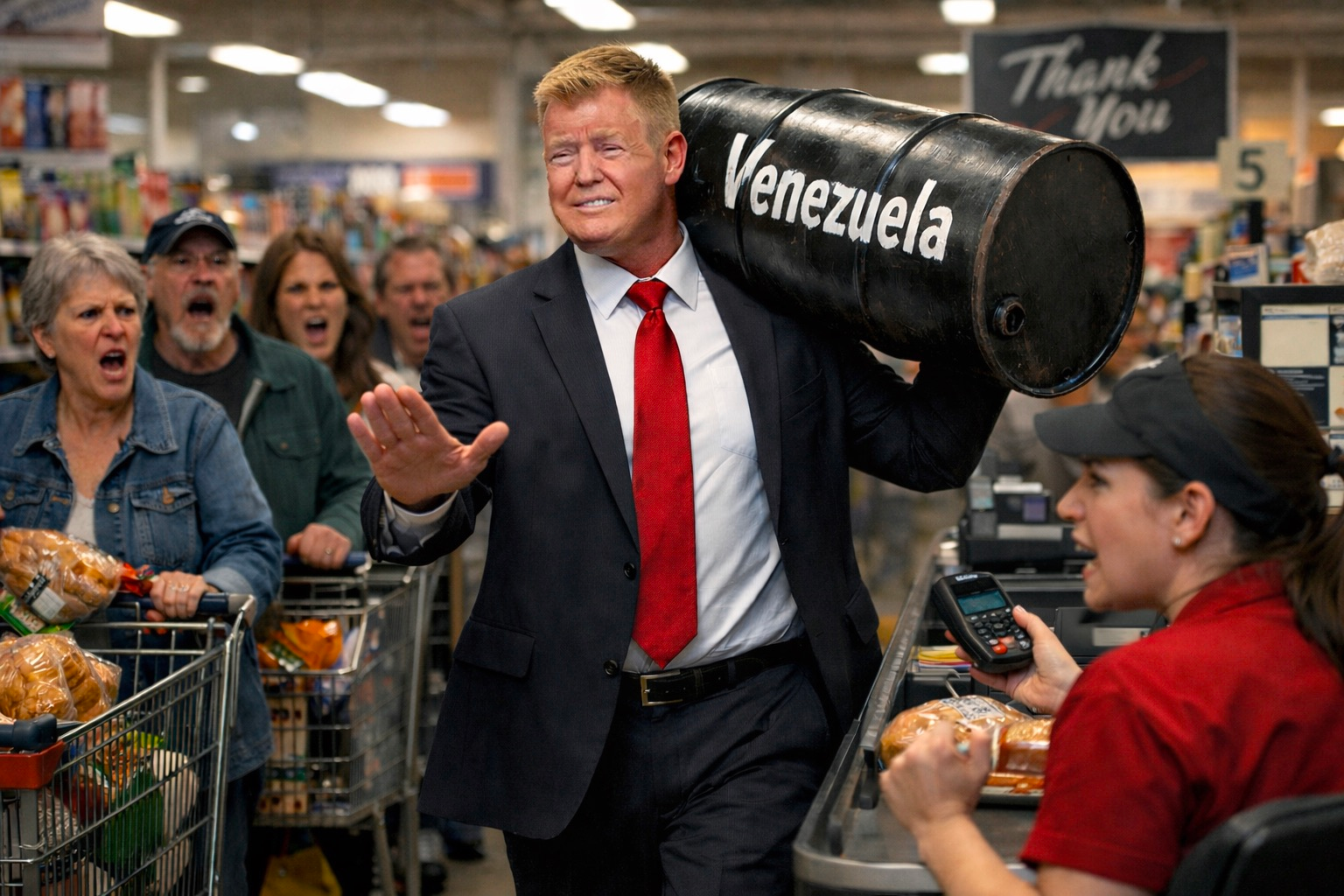
Now Venezuela Makes Sense
Venezuela holds the largest oil reserves in the world, and much of that oil is extra-heavy crude, exactly the type U.S. refineries are built to process.
From a purely industrial perspective, Venezuelan oil is not undesirable. It is ideal.
This is why Venezuela never disappears from U.S. attention. The political language changes, corruption, drugs, democracy, humanitarian crisis, but the country remains strategically important regardless of who governs it.
There is another element rarely discussed.
Venezuela has long supplied oil and resources to U.S. rivals: Cuba, Russia, Iran, and China. Control over Venezuelan oil would therefore do two things at once:
cut off energy access to geopolitical adversaries
secure discounted feedstock for U.S. refineries
That combination is hard for any major power to ignore.
Why Nigeria Follows the Same Pattern
Nigeria enters the conversation under a different moral banner.
Here the focus is often on terrorism and the protection of Christian communities. Military involvement is framed as necessity.
Yet when Christian Palestinians face harassment and violence without strategic resource implications, it does not trigger the same urgency or response.
This does not prove a single hidden motive. But it exposes a pattern.
When intervention aligns with energy interests, the language turns moral. When it does not, silence follows.
Nigeria is one of Africa’s largest oil producers.
Once again, moral language appears where energy interests exist, and fades where they do not.
This does not mean moral concerns are invented. It means they are selectively emphasized.
The Global Energy Crisis Changes Everything
When Russia invaded Ukraine, global energy markets were thrown into chaos.
Natural gas, electricity, and oil prices surged. Inflation spiked. Energy poverty spread across Europe. Governments panicked.
In moments like this, energy is no longer a background issue. It becomes a weapon, a bargaining chip, and a source of leverage.
At the same time, U.S. energy exports hit record levels, with Europe as a major destination. American oil and gas flowed where shortages were most acute.
In September 2022, the Nord Stream pipelines in the Baltic Sea were sabotaged.
No official conclusion has been universally accepted. But one question matters more than blame:
Who benefited from Europe losing direct access to Russian gas?
When pipelines disappear, alternatives become mandatory.
Again, no accusation is needed. Markets respond to constraints.
When Words Slip
Donald Trump once said of Venezuela:
“We would have taken it over. We would have gotten all that oil.”
The statement was dismissed as recklessness.
But what if it was something else?
What if it reflected how obvious the underlying logic already was to people inside the system?
Systems built on improvisation speak carefully. Systems built on habit speak in assumed outcomes.
Trump didn’t reveal a secret plan. He removed the filter.
What This Pattern Suggests
The United States does not simply pursue oil. It pursues the uninterrupted operation of an enormous industrial machine built around energy throughput.
Where oil compatibility exists, pressure follows. Where energy stakes are high, moral narratives intensify. Where resources are absent, urgency fades.
Venezuela. Nigeria. Europe.
Different stories, same incentives.
The real intentions are rarely stated outright. They don’t need to be.
Once the mechanics are understood, the language explains itself.
And once you see the pattern, it becomes difficult to believe the stories were ever only about morality.
When Systems Devour Society: The Moral Collapse of Unrestrained Capitalism and Socialism
A sharp view on why neither capitalism nor socialism can survive alone, and how their modern imbalance is engineering a new form of economic dependence.
Debates about capitalism vs socialism often pretend these ideologies are locked in a moral battle for the soul of society. However, beneath the slogans and political theater lies a truth we rarely confront:
Neither system works alone. And each, when unrestrained, turns human life into a form of engineered servitude.
We are told to work for money, to build a future, to “make something of ourselves.” But that is the first illusion.
People do not work for wealth, they work for permission. Money is not value; it is access. It is the toll required simply to exist within a structure built around controlled, artificial shortage.
Humans desire simple things: freedom, safety, time, ease, dignity, and rest. Money merely stands between them and those basic needs.
Because the system offers no alternative, the gatekeeper becomes the master.
Not by nature. Not by evolution. But by design.
This is the truth both economic camps refuse to confront. Pure capitalism and pure socialism collapse under their own weight. Meanwhile, the hybrid we are drifting toward, shrinking public support and expanding privatized essentials, is even worse. It is an engineered imbalance feeding on dependence.
Why Capitalism vs Socialism Fails Alone
The 20th century taught us to choose sides: freedom versus equality, markets versus welfare. However, extremism in any direction distorts human behavior.
When Socialism Goes Too Far
Excessive state control flattens incentive. When outcome is detached from effort:
innovation slows
productivity collapses
people disengage
the system becomes rigid and heavy
It protects everyone, but inspires no one.
When Capitalism Goes Too Far
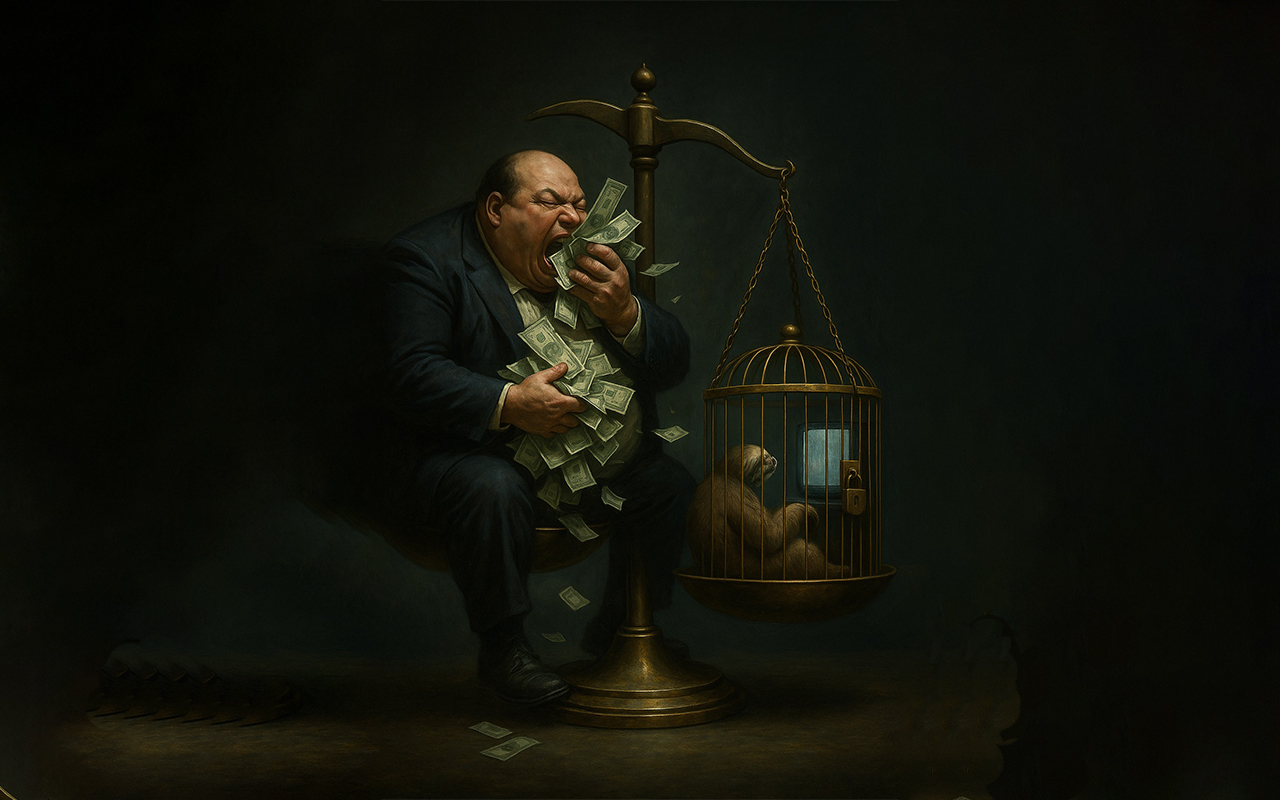
Unrestrained capitalism does something far more dangerous: it monetizes the essential.
Everything becomes property. Everything becomes a bill. Everything becomes gated access to what should be a basic human right.
Housing, water, healthcare, education, transportation, all gradually shift into private hands.
Meanwhile:
surplus is destroyed to protect price
homelessness rises while units sit empty
food is wasted while hunger increases
life becomes a subscription service
Not because society lacks resources, but because artificial shortage is profitable.
As a result:
Both capitalism and socialism fail for the same reason, neither provides balance on its own.
Humans need both freedom and protection, opportunity and boundaries, incentive and safety nets.
Without balance, the system devours the society it is meant to sustain.
The Quiet Battle: Government vs Concentrated Wealth
Behind the headlines, a silent cold war is unfolding. Not between nations, but between public institutions and private capital.
The wealthiest actors increasingly question why they should fund governments at all. Their language sounds polished: “efficiency,” “freedom,” “reducing bureaucracy.”
However, the subtext is control.
Control over who receives resources. Control over which communities are “worthy.” Control over public agendas via lobbying, philanthropy, and political financing.
This is not conspiracy. It is the natural evolution of a system where wealth equals influence.
Yet the irony is devastating:
Those who demand weaker governments rely on public systems to protect their assets. As tax resistance increases, institutions weaken, public goods erode, and privatization accelerates, pushing society deeper into a world where access is purchased, not guaranteed.
The Middle-Class Mirage: A Manufactured Prosperity
We praise the middle class as proof that capitalism works. However, modern middle-class life is built less on wealth and more on credit.
People aren’t richer, they are allowed to borrow more.
Mortgages. Student loans. Car payments. Medical debt.
What looks like prosperity is often just permission to participate, rented from a lender.
Debt becomes the new oxygen. Each loan shifts ownership upward, from the individual to the creditor.
We call it “opportunity,” but it is closer to indentured aspiration, hope leveraged against interest rates.
Meanwhile, true power accumulates through ownership, land, assets, institutions, narratives, and time.
The Real Danger: Capitalism Without Restraint
When capitalism consumes without limits, nothing is sacred.
Attention becomes a commodity. Privacy becomes a commodity. Identity becomes a commodity. Human need becomes a profit model.
The earth produces enough for everyone, but abundance threatens prices. Empty homes sit across from tents. Shelves overflow while hunger rises. Medicine exists but remains locked behind colossal bills.
This is not human nature. It is engineered artificial shortage.
The system doesn’t reward freedom, it rewards compliance with rules set by those who own the game.
The Original Lie: Bills as Modern Bondage
We’ve been taught that money equals value. It does not.
Money equals control.
Humans evolved craving stability, community, rest, nourishment, and autonomy, not currency.
Bills are merely access tokens. Because these needs are locked behind man-made currency, we are forced into perpetual labor for paper with no intrinsic worth.
This is not “the way things are.” It is the way things were designed.
A World Turning Into a Monopoly Board
If this trajectory continues, privatizing land, monetizing essentials, consolidating ownership, society will become a global Monopoly board.
Every square owned. Every necessity priced. Every movement taxed. Every freedom conditional.
Not because it is natural. Not because it is moral. But because the board was designed by the players who already own most of it.
And the tragedy is this:
Working for bills was never human nature. It was engineered dependence, dressed as opportunity.
The Revelation We Need Now
Capitalism sparks innovation. Socialism protects people. But neither can survive alone.
And the model we are sliding into today, shrinking public support paired with expanding privatized essentials, is not balance.
It is a soft form of enslavement, disguised as choice.
If we do not restore equilibrium, we risk waking up to a world where the game is already over, and the board was never built for us to win.
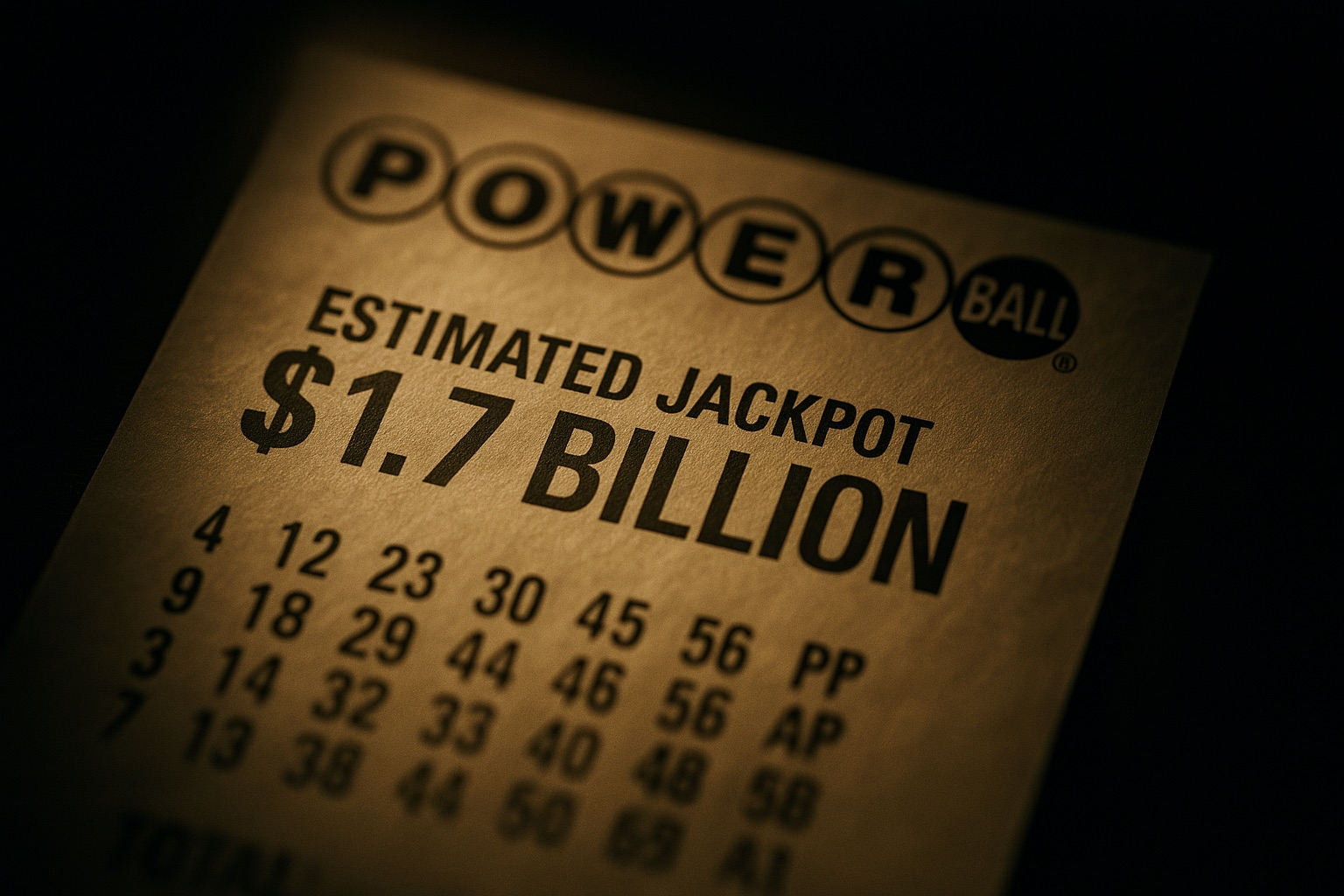
Imagine this: there it is, you’re holding the historic $1.7 billion winning Powerball ticket. Overnight, you’re worth hundreds of millions. Champagne pops. Heart races. The news spreads.
But here’s the truth nobody tells you: the real game starts after you win. One wrong move, and your dream jackpot can turn into a nightmare. Lawsuits, scams, greedy relatives, IRS traps, and security risks, they all come knocking before you even touch your money.
This isn’t just a checklist. This is The Powerball Winner’s Playbook, the exact steps you must take before you cash in that golden ticket.
Step 1. First Things to Do After Winning
Secure the ticket: Your ticket is a bearer instrument, whoever holds it can claim the prize. Put it in a fireproof safe or bank safe deposit box.
Think before you sign: In some states, signing with your legal name means your identity becomes public record. If your state allows it, set up a trust or LLC first and sign accordingly.
Do not announce publicly: Stay silent, no posts, no celebrations, no leaks.
Hire professionals immediately: Your first calls should be to a tax attorney, an estate planner, and a financial advisor.
Step 2. Anonymity and Public Disclosure
One of the biggest shocks for new winners is whether you can stay anonymous:
Some states allow anonymity via trusts or LLCs.
Others mandate full disclosure of your name and city.
Why disclosure exists: Lottery boards claim transparency builds public trust in the game.
But disclosure comes with real risks:
Harassment and constant solicitations from strangers
Frivolous lawsuits from opportunists
Threats or kidnapping attempts against family members
Relentless pressure from friends, relatives, and charities
Pro tip: While no state currently funds private protection, many experts argue lottery boards should cover security costs if they force disclosure. If anonymity isn’t possible, plan ahead and upgrade your security measures.
Step 3. Protecting Yourself and Your Family
Legal shielding: Set up a trust or LLC if your state permits it. Even non-citizens and visa overstayers can generally create U.S. trusts or LLCs to protect assets.
Physical safety: Upgrade home security, change phone numbers, and consider relocation.
Professional shielding: Forward all inquiries to your lawyer or financial team.
Private security: If anonymity isn’t an option, hire professional protection early.
Step 4. Claiming Deadlines and Process
Deadlines: Usually 90 days to one year depending on your state. Miss it, and you forfeit the prize.
Claim appointments: After contacting the lottery board, you’ll get an appointment window (often 30–60 days) to present your ticket.
In-person collection only: No checks by mail. You must show up, ID in hand. Travel costs? On you.
Step 5. Marriage, Divorce & Division of Winnings
Single when you won, married when you claim: Courts usually treat the prize as individual property because the win happened pre-marriage.
But beware: Future annuity payments or investment returnsmay be treated as marital property in some states.
Pro tip: If you want to keep the entire sum clearly separate, choosing the lump sum payout usually avoids future property disputes.
Step 6. Don’t Lose Your Ticket or Your Rights
Take photos immediately: Snap clear pictures of yourself holding the ticket and close-ups of both sides. While photos don’t automatically replace a lost ticket, they help prove ownership if a dispute arises.
If someone else claims your ticket: A signed ticket, retailer logs, and surveillance footage will help protect your claim.
Lost ticket rules: In most states, no ticket = no prize. Some states with electronic registration may accept proof of purchase, but don’t count on it.
Step 7. Eligibility Rules, Who Can Claim
U.S. citizens & residents, No problem claiming, but taxes apply.
Non-citizens or visa overstayers, You can legally claim if you bought the ticket in the U.S. Immigration status doesn’t void your win, though federal taxes still apply.
Foreigners abroad, If you physically hold the ticket, you can travel to the U.S. and claim it, even if you didn’t buy it yourself.
Playing on behalf of others overseas. The purchaser is the only legal claimant.
Step 8. Lump Sum vs. Annuity, The Hidden Trap
Lump sum: One-time payout, typically 45–55% of the jackpot. Taxed upfront but gives you full control to invest and outpace inflation.
Annuity: The full jackpot, but split into 29–30 annual payments. Less tax shock per year, but loses purchasing power if inflation rises.
Pro tip: If you’re concerned about future divorces, estate disputes, or tax flexibility, the lump sum often gives you cleaner control.
Step 9. The Dark Side of Lottery Winnings
Overspending & financial ruin: A shocking number of winners go broke within five years.
Fraud & advisor theft: Vet every professional. Never give anyone full control of your funds.
Family implosions: Sudden wealth can trigger jealousy, resentment, and lawsuits. Set boundaries early.
Step 10. Preparing Before Claiming
Build your team first, tax attorney, trust lawyer, financial advisor.
Decide payout strategy before contacting the board.
Quietly clear debts to avoid post-win scrutiny.
Set up estate protections: trusts, wills, and asset shields.
Prepare emotionally: Sudden wealth draws unwanted attention fast.
Step 11. Giving Money Safely
IRS gift rules: Up to $18,000/year per person tax-free. Above that, you must file a gift tax return.
Use trusts: Structured payouts avoid wealth shocks for loved ones.
Create a foundation: Help others without drowning in personal requests.
Pay expenses, not cash: Cover tuition, housing, or medical bills instead of handing out raw money.
Final Checklist
Secure & photograph your ticket
Check your state’s anonymity rules
Hire vetted legal & financial experts
Choose lump sum vs. annuity
Handle marriage and estate planning early
Upgrade personal & family security
Protect your assets with trusts or LLCs
Set clear giving boundaries
Claim within the legal deadline
Closing Note
Winning the Powerball can transform your life, but only if you play it smart. Without preparation, your jackpot can vanish in taxes, scams, lawsuits, and family drama.
Treat your win like serious business:
Build a trusted advisory team
Move silently and strategically
Protect your privacy, safety, and wealth
Because the real jackpot isn’t just the money. It’s keeping your freedom, peace, and future intact.





 Entertainment7 months ago
 Politics7 months ago
 Economy7 months ago
 Opinion7 months ago
 Sports7 months ago
 Fashion8 months ago
 Culture8 months ago
 Opinion8 months ago